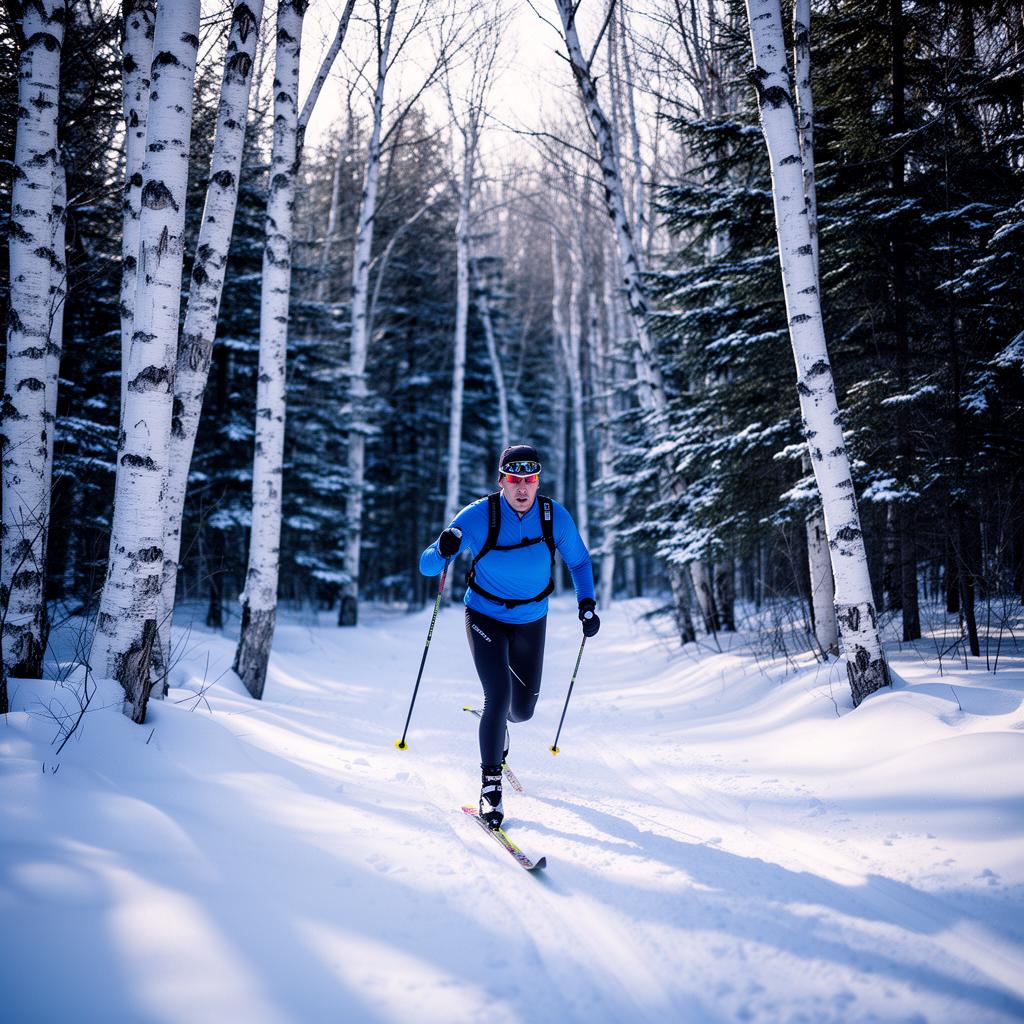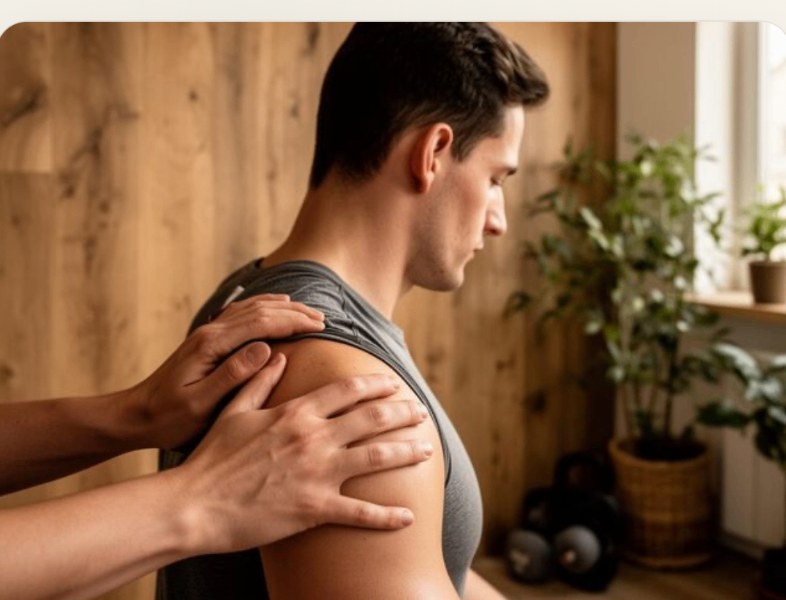
Achilles tendinopathy: what every Chelsea runner should know
Why rest alone almost never works, and the progressive loading protocol we use with our runners.
The complete-rest myth
This is probably the most poorly treated injury among Outaouais runners. Pain shows up at the back of the heel, the runner stops completely, waits three or four weeks, starts again - and the pain returns within a week. That cycle can drag on for months, sometimes years.
The science has been clear for over twenty years: a painful Achilles tendon doesn't heal with rest. It heals with progressive, controlled loading. Complete rest reduces the tendon's capacity, and as soon as you resume activity you exceed that diminished capacity again. The pain comes back. The cycle continues.
Identifying the right type of tendinopathy
Two types must be distinguished: insertional tendinopathy (pain at the heel attachment, often worsened by uphill heel-loaded positions) and mid-portion tendinopathy (pain 2 to 6 cm above the heel bone). Both respond to loading, but the exercises differ.
For mid-portion, we use eccentric step-downs through full range. For insertional, we avoid extreme dorsiflexion stretch and work on flat ground. Confusing the two protocols is one of the most common mistakes we correct in clinic.
The progressive loading protocol (modified Alfredson)
The reference protocol calls for three sets of fifteen reps, twice a day, seven days a week, for twelve weeks. Yes - twelve weeks. It's long, but it matches the biological remodeling timeline of a tendon. There are no shortcuts.
We start at bodyweight, then progressively load with a weighted backpack or a machine. Pain rule: up to 5 out of 10 during the exercise is acceptable, provided the pain isn't worse the next morning. If morning pain increases, we reduce the load - we don't drop the exercise.
When to consult - and what to do in the meantime
If your pain has lasted more than three weeks, if it's present from the first morning steps, or if it's forced you to cut your running volume, it's time to see a physiotherapist. The earlier we intervene, the shorter the protocol and the better the prognosis.
In the meantime, don't stop everything. Cut running volume by 50 %, avoid the steep climbs of Gatineau Park, and start step-downs today. At Malama we guide dozens of runners through this protocol every year, in Chelsea and across the Outaouais. The vast majority return to their pre-injury level - often stronger than before.
Pain that won't go away? Let's talk.
Malama physiotherapy clinic in Chelsea is 20 minutes from Ottawa, at the edge of Gatineau Park.