Bulletproof knees for trail season in Chelsea
Five simple drills to add the moment the snow melts, so you can soak up Gatineau Park descents without paying for it later.
Why knees suffer in spring across the Outaouais
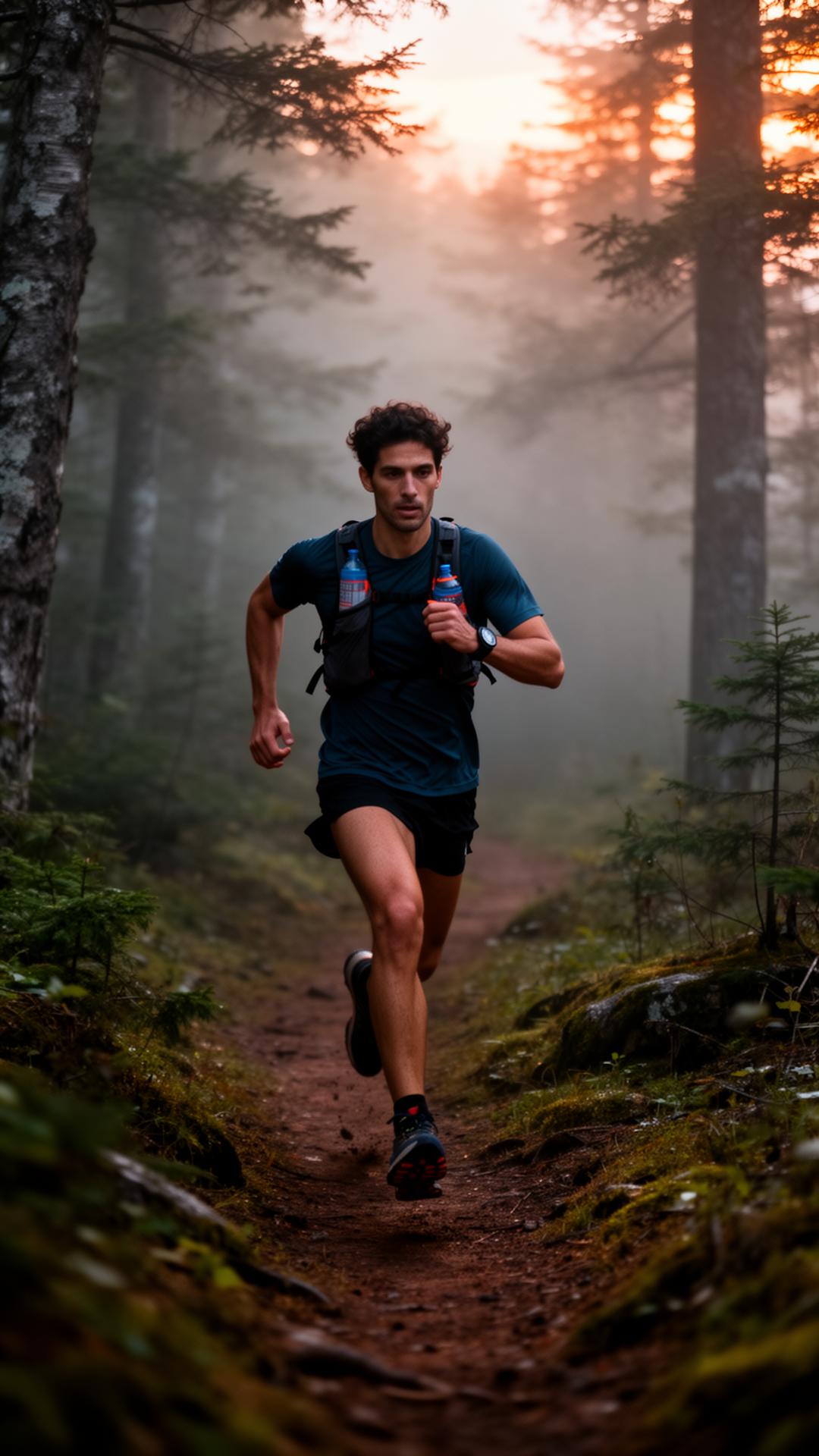
Every year, by late April, our physiotherapy clinic in Chelsea sees the same patterns walk through the door: patellofemoral pain syndrome, patellar tendinopathy, IT band syndrome. The story is almost always identical. After a winter of cross-country skiing, snowshoeing, or treadmill running, runners hit the first trails - Lauriault, Wolf, Pontiac - with a volume that's far too ambitious. The muscles hold up. The tendons and joints, which haven't had time to re-adapt to the impact of descents, do not.
Descending is where the real stress hits. A single downhill stride on technical terrain produces ground reaction forces three to four times body weight, absorbed mostly by the quadriceps in eccentric contraction. If that eccentric work hasn't been built up, the patellar tendon and the patellofemoral cartilage are the first structures to complain.
The five exercises we prescribe in Chelsea
Here's the base block we give nearly every runner who walks into the clinic: Spanish squat held for 45 seconds, weighted reverse lunges, slow eccentric step-downs (3-second descent), single-leg glute bridge, and slow full-range calf raises. Three sets of eight to twelve reps, two or three times a week, for six weeks before peak volume.
The goal isn't raw strength - it's load tolerance. We want the quadriceps, glutes, and calves to absorb energy instead of transmitting it into the knee joint. If you feel pain above 3 out of 10 during or after an exercise, we reduce the load - not the movement.
The return-to-trail protocol
Once the base is in place, follow the 10 % rule: never increase weekly volume by more than 10 %. In Chelsea that means starting with 20 to 25 minutes of continuous running on Old Chelsea Road or the flat sections of the park before tackling real descents like trail 36 or Mont Bélanger.
Every trail run should be followed by an active recovery session: walking, hip and ankle mobility, and proper hydration. The first three weeks of the season carry the highest risk - that's when 80 % of the injuries we see in clinic actually appear.
When to see a physiotherapist
Morning stiffness lasting more than 30 minutes, pain that worsens from one run to the next, or swelling after running are signals worth taking seriously. The earlier you consult, the shorter the rehab. Most of our patients at Malama recover in four to eight sessions when they come in within the first two weeks.
If you're a runner in Chelsea, Wakefield, Cantley, or Gatineau dealing with stubborn knee pain, book an assessment. We identify the cause, build the plan, and get you back on the trail.
Pain that won't go away? Let's talk.
Malama physiotherapy clinic in Chelsea is 20 minutes from Ottawa, at the edge of Gatineau Park.