Post-operative care: the role of physiotherapy in your recovery
A successful surgery is only half the journey. What you do in the weeks that follow determines whether you truly recover, or carry limitations for months.
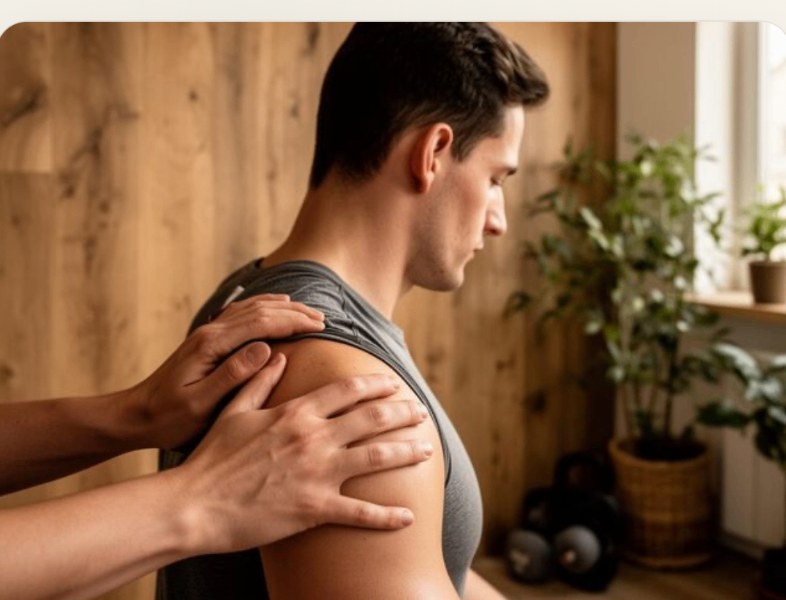
Surgery fixes, rehab rebuilds
We too often see patients arrive at the clinic three or four months after an operation, convinced that time would do the rest. The joint is stiff, the muscles are weak, and everything has to start from scratch. Yet the surgeon did their job well. What was missing was the structured rehabilitation that guides tissue healing.
After surgery, your body heals. But healing is not the same as recovering. A repaired tendon can be solid after six weeks yet still lack the flexibility and strength needed to move normally. That's where physiotherapy comes in: it guides the healing so that tissues regain their extensibility, their strength, and their load tolerance, in the right order and at the right pace.
The first weeks: mobility and control
In the first two to six weeks, the main goal is to restore the range of motion protected by the surgeon and to limit muscle atrophy. We start gently, for example, with isometric contractions, assisted active mobility, and light proprioception work. We respect tissue healing timelines, but we don't stay still.
Prolonged immobilization is the number one enemy. A joint that doesn't move long enough builds adhesions, and the muscles that support it are not recruited. In Chelsea, our post-operative patients begin physiotherapy in the first days or weeks, depending on the surgeon's protocol, never later.
Mid-rehab: strength and confidence
Once tissue healing is advanced, we enter the phase where we build strength. This is often where patients need the most guidance, so they don't go too fast or too slow. We progress in stages: an example would be to start with body weight, then light loads, then functional loads that mimic your daily or athletic activities. The body needs to build load tolerance, not just brute strength.
Pain isn't always a stop signal during this phase, but it is a signal to listen to. We teach our patients to distinguish muscle discomfort from joint or tendon pain. That attention is what prevents relapses that drag the process out.
Return to activity and prevention
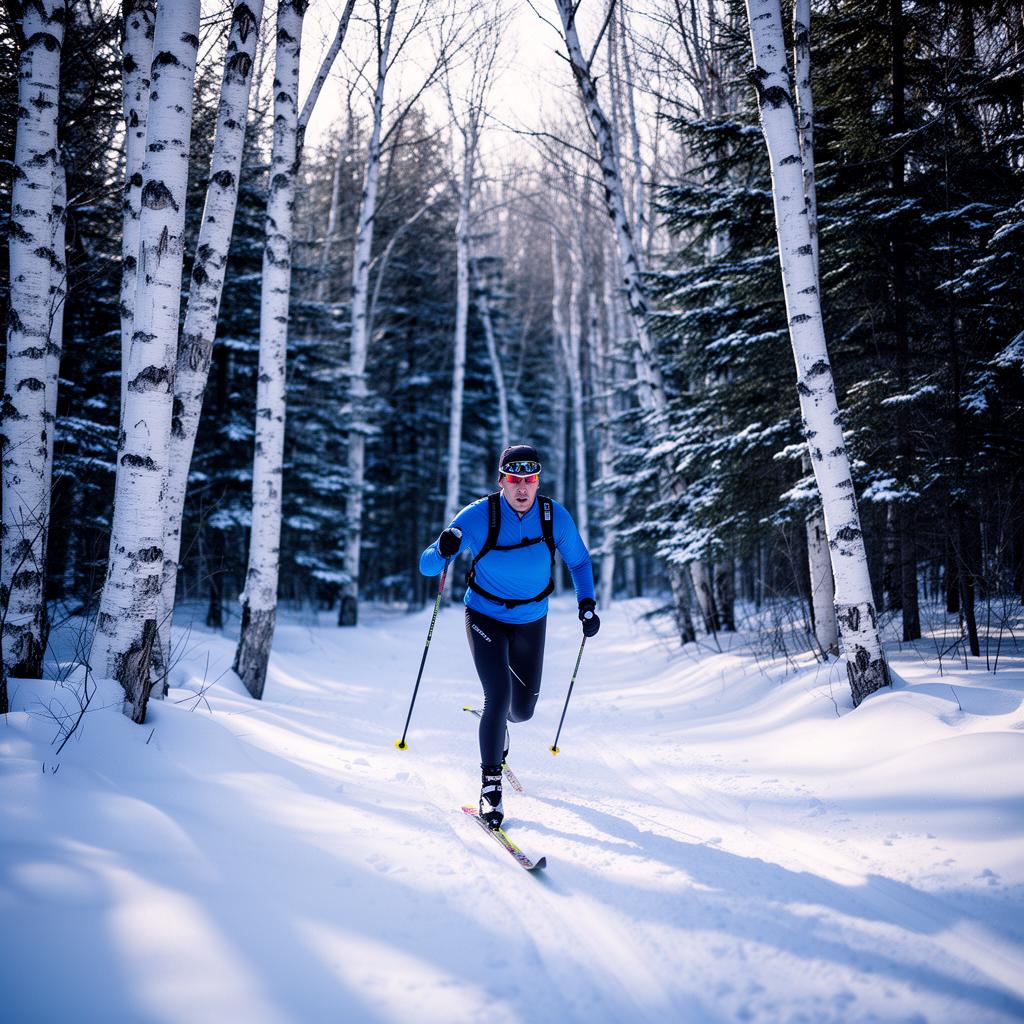
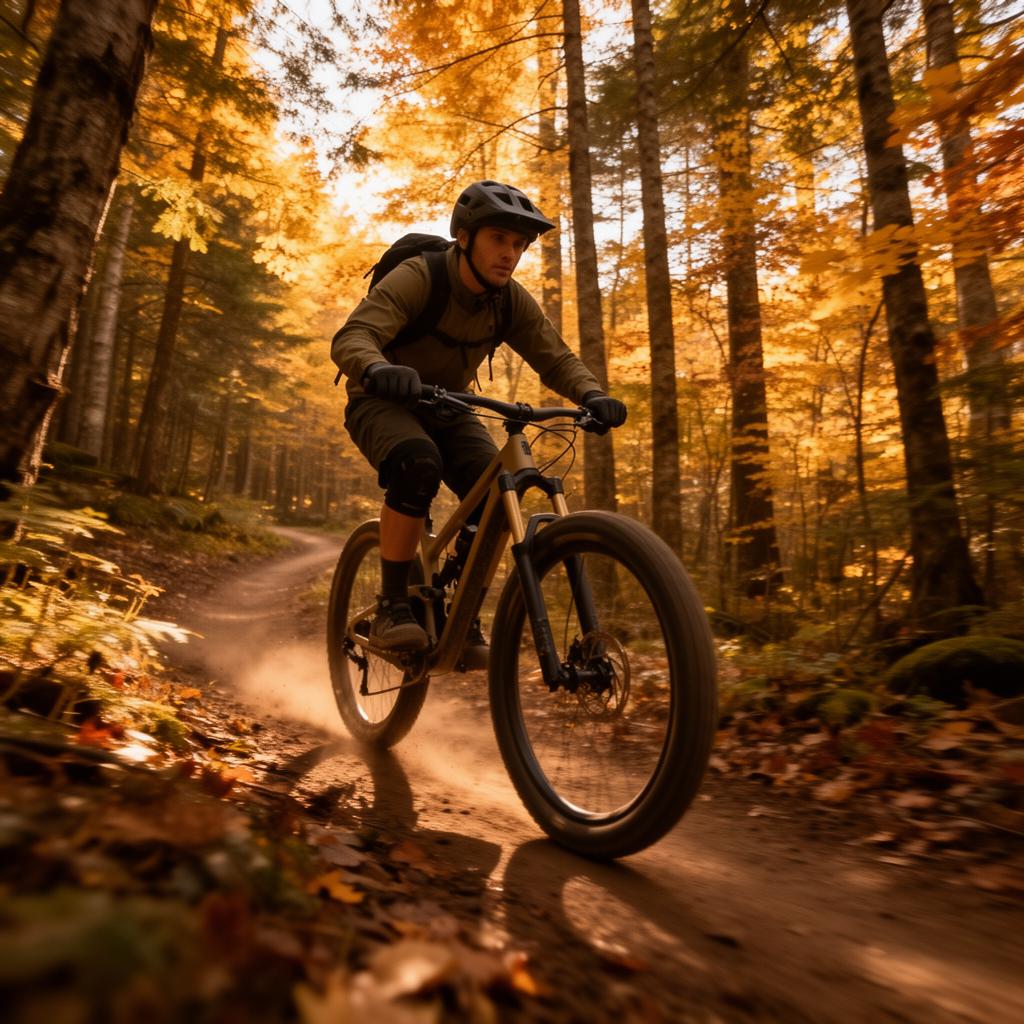
The final phase is the return to your activities, whether it's gardening, cross-country skiing in Gatineau Park, or trail running. We simulate the movements of your sport or your job in the clinic before sending you out into the real world. We test your body's ability to absorb impacts, change direction, and handle an unexpected load.
If you live in Chelsea, Wakefield, Cantley, or Gatineau and a surgery is planned or recent, book an assessment. We communicate with your surgeon, we follow the post-operative protocol, and we build a plan that brings you back to what matters to you, not a reduced version of yourself.
Pain that won't go away? Let's talk.
Malama physiotherapy clinic in Chelsea is 20 minutes from Ottawa, at the edge of Gatineau Park.